Welcome to Denver Place Dentistry
A smile with style
Meet the Dentists
Skilled Professionals
At Denver Place Dentistry, our friendly team is committed to providing you with advanced and gentle care. We offer general dentistry services including emergency dental care, cosmetic dentistry services including Invisalign and Veneers, and even specialized services such as wisdom teeth extractions and dental implant restorations – all in one familiar place! How can we make you smile today?

Gary Radz, DDS
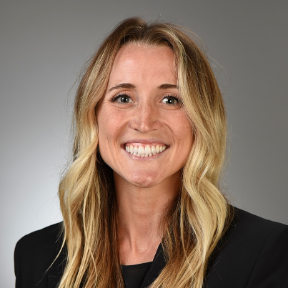
Kacie Jo Dillow, DDS
Our Services
Whatever You Need, We’re Here to Help
Welcome to Denver’s best in oral care. We work to ensure that our patients feel comfortable and confident that they receive the best that dentistry has to offer. Denver Place Dentistry in downtown Denver offers advanced, comprehensive dental care to take care of you and your family in a relaxed, friendly, and judgement-free environment. We only use the latest technology and treatment methods to provide you with the most convenient and efficient dental care. With our wide-ranging services we rarely have to refer patients out of our office.
COSMETIC DENTISTRY
Cosmetic dentistry treatments exist to enhance the appearance of one’s smile but also to improve the function of your mouth, teeth and gums.
EMERGENCY DENTISTRY
Dental emergencies happen at random and can affect your ability to carry out your daily routine. We understand that emergencies are uncontrollable, which is why we offer same day emergency appointments.
INVISALIGN
Clear aligners are an effective alternative to traditional braces, because they use a system of clear, removable trays used to straighten teeth.
PREVENTIVE DENTISTRY
Preventive dentistry focuses on the treatments and practices that help people prevent oral disease or other dental problems.
RESTORATIVE DENTISTRY
Restorative dentistry serves to restore teeth that may have been damaged through common oral health problems or more serious dental issues.
Scheduling a visit
We Look Forward to Seeing You
Denver Place Dentistry proudly serves the Downtown Denver community as well as the neighborhoods of Highland, Capitol Hill, City Park, and Cherry Creek. We are welcoming new patients and would be thrilled to meet you. Our premier dental office is conveniently located in the South Tower of Denver Place at the corner of 18th St and Champa St.
Office Location
999 18th St, Suite 1300
Denver, CO 80202
[email protected]
(303) 298-1414
 Group of mixed race people looking at the camera outdoors in the city
- Overjoyed adult couple have fun together at outdoor park in leisure activity. Man carrying woman in piggyback and laugh a lot. Love and life mature people lifestyle concept. Enjoying vacation nature




Testimonials
Don’t Take Our Word, See What Others Are Saying




